Structured Learning: Courses for High School Success
- stevenadel905
- 4 days ago
- 4 min read
High school can be a challenging time for students, filled with academic pressures, social dynamics, and the looming question of what comes next. As students navigate this pivotal stage in their lives, structured learning through targeted courses can play a crucial role in their success. This blog post explores various courses that can enhance high school students' skills, boost their confidence, and prepare them for future endeavors.
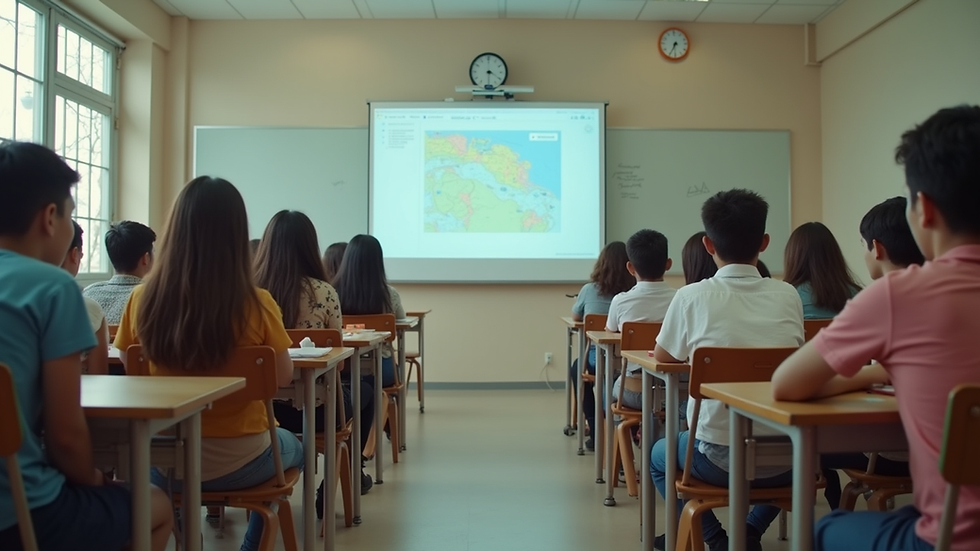
Understanding Structured Learning
Structured learning refers to a systematic approach to education where students engage in organized courses designed to build specific skills and knowledge. This method contrasts with unstructured learning, which may lack clear objectives and outcomes.
Benefits of Structured Learning
Clear Objectives: Courses are designed with specific goals in mind, helping students understand what they need to achieve.
Skill Development: Structured courses focus on developing essential skills, such as critical thinking, problem-solving, and effective communication.
Time Management: Students learn to manage their time effectively by adhering to a course schedule, which is vital for their future academic and professional lives.
Confidence Building: Completing structured courses can boost students' confidence as they achieve milestones and gain new knowledge.
Essential Courses for High School Success
1. Advanced Placement (AP) Courses
AP courses are college-level classes offered in high school that allow students to earn college credit. These courses are rigorous and cover a wide range of subjects, including:
AP Calculus: Prepares students for college-level mathematics and enhances analytical skills.
AP English Literature: Develops critical reading and writing skills, essential for college success.
AP Biology: Offers in-depth knowledge of biological concepts, preparing students for science-related fields.
Taking AP courses can significantly enhance a student's college application, demonstrating their ability to handle challenging coursework.
2. Dual Enrollment Programs
Dual enrollment programs allow high school students to take college courses while still in high school. This option provides several advantages:
College Credit: Students can earn credits that count toward both high school and college degrees.
Exposure to College Life: Engaging with college-level coursework helps students acclimate to the demands of higher education.
Cost Savings: Students can save on college tuition by completing courses early.
3. Career and Technical Education (CTE)
CTE programs focus on equipping students with practical skills for specific careers. These courses can range from healthcare to information technology. Some examples include:
Health Sciences: Prepares students for careers in nursing, medicine, and other health-related fields.
Information Technology: Offers skills in computer programming, networking, and cybersecurity.
Culinary Arts: Teaches cooking and food service management, ideal for students interested in the hospitality industry.
CTE courses provide hands-on experience and can lead to certifications that enhance employability after graduation.
4. Foreign Language Courses
Learning a foreign language can open doors to various opportunities, both academically and professionally. High school students should consider:
Spanish: Widely spoken and beneficial in many career fields, including healthcare and education.
Mandarin Chinese: Increasingly important in global business and trade.
American Sign Language (ASL): Valuable for communication in the deaf community and can lead to careers in interpreting and education.
Proficiency in a foreign language can enhance college applications and provide a competitive edge in the job market.
5. Personal Finance and Economics
Understanding personal finance is crucial for students as they transition into adulthood. Courses in this area can cover:
Budgeting: Teaching students how to manage their money effectively.
Investing: Introducing concepts of saving and investing for the future.
Economics: Providing a foundational understanding of how economies function, which is beneficial for various career paths.
These courses empower students to make informed financial decisions and prepare them for real-world challenges.
The Role of Extracurricular Activities
In addition to structured courses, extracurricular activities play a vital role in high school success. Participation in clubs, sports, and volunteer work can enhance a student's resume and provide valuable experiences.
Benefits of Extracurricular Activities
Skill Development: Students can develop leadership, teamwork, and communication skills.
Networking Opportunities: Engaging with peers and mentors can lead to valuable connections.
Stress Relief: Extracurriculars provide a break from academic pressures and promote a balanced lifestyle.
Examples of Extracurricular Activities
Debate Club: Enhances public speaking and critical thinking skills.
Science Club: Encourages exploration of scientific concepts and hands-on experiments.
Student Government: Offers leadership experience and insight into governance.
Preparing for College and Beyond
As students approach graduation, it's essential to focus on college readiness. This preparation can include:
College Counseling
Many high schools offer college counseling services to help students navigate the application process. Counselors can assist with:
College Selection: Helping students find schools that match their interests and goals.
Application Guidance: Providing support with essays, interviews, and deadlines.
Financial Aid: Assisting with scholarship applications and understanding financial aid options.
Standardized Test Preparation
Standardized tests, such as the SAT or ACT, are often required for college admissions. Students should consider:
Test Prep Courses: Enrolling in courses that focus on test-taking strategies and content review.
Practice Tests: Taking full-length practice exams to build familiarity and confidence.
Conclusion
Structured learning through targeted courses can significantly impact high school students' success. By engaging in AP courses, dual enrollment programs, CTE, foreign language studies, and personal finance, students can build a strong foundation for their future. Additionally, participating in extracurricular activities and seeking college counseling can further enhance their readiness for college and beyond.
As students embark on their high school journey, embracing structured learning will not only prepare them academically but also equip them with the skills and confidence needed to thrive in an ever-changing world. Encourage students to explore their interests, take advantage of available resources, and make the most of their high school experience.


Comments